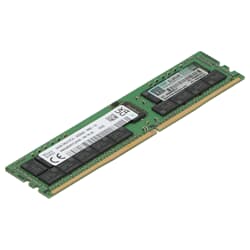
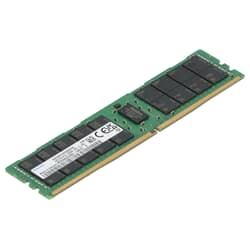
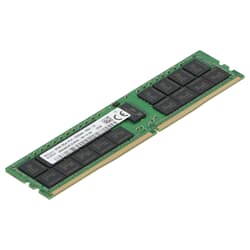
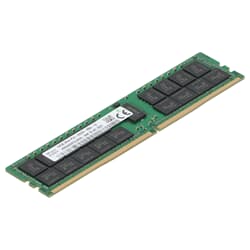
in stock
18
1,273.00 €
Buy refurbished DDR4-RAM online! ✔ Free express shipping throughout Germany ✔ Stock available for instant dispatch ✔

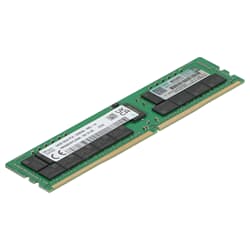
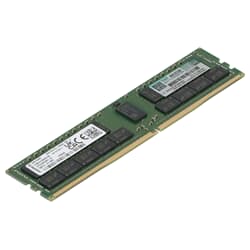
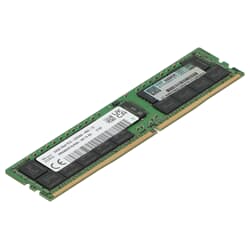
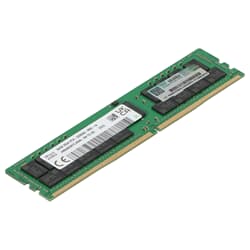
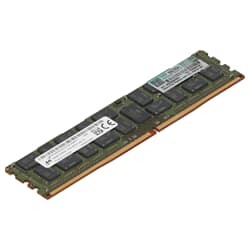
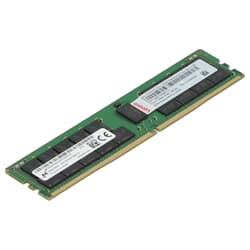
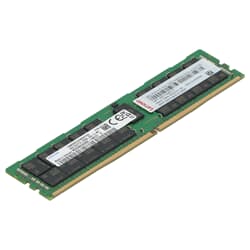
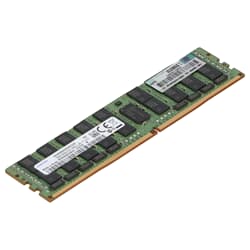
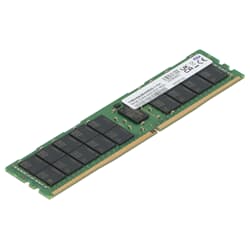
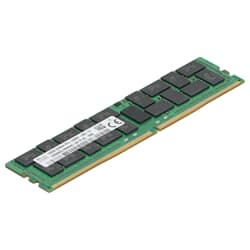
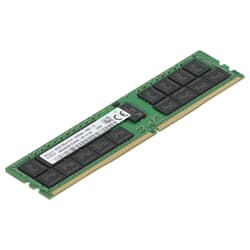
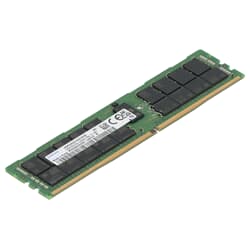
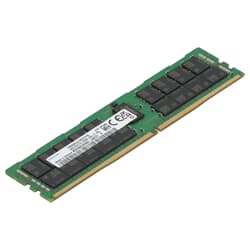
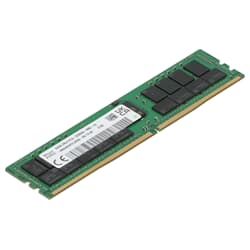
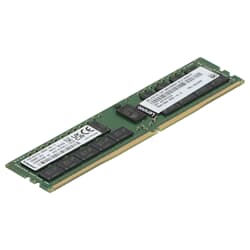
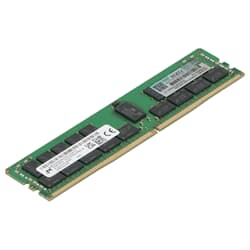
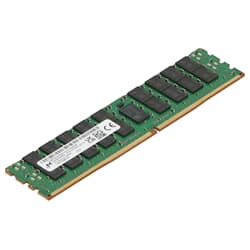
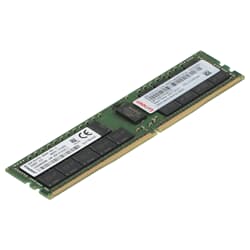
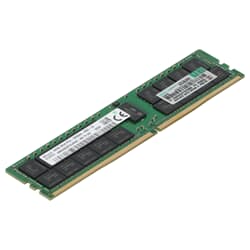
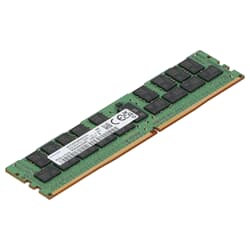
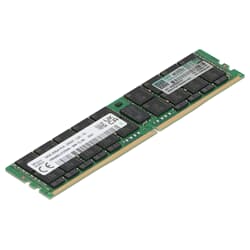
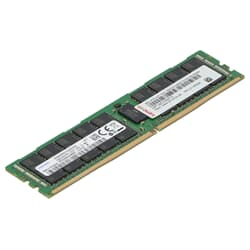
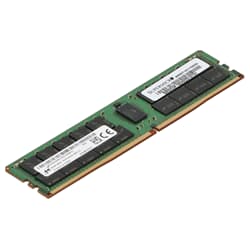
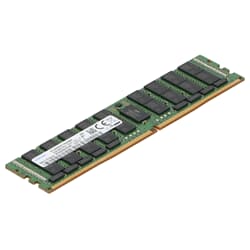
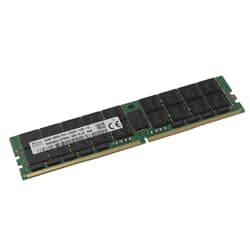
DDR4 memory (Double Data Rate 4) remains the backbone of countless IT infrastructures worldwide. Despite the introduction of DDR5, DDR4 continues to be the first choice for server generations such as HPE ProLiant Gen9/Gen10 or Dell PowerEdge systems due to its mature architecture, high reliability, and excellent energy efficiency. At GEKKO Computer, you will find a wide selection of certified modules to immediately maximize your computing power.
When purchasing server RAM, choosing the right module type is crucial for system stability and scalability. There are three primary designs:
In contrast to standard PC RAM, server modules feature ECC. This technology automatically detects and corrects "single-bit errors." In systems that run for weeks or months without a reboot, ECC is indispensable for preventing blue screens, system crashes, and creeping data corruption. This is complemented in DDR4 by features such as Cyclic Redundancy Check (CRC) and On-chip Parity for maximum data integrity.
DDR4 offers decisive advantages over its predecessor, DDR3:
Memory is one of the most durable components in IT. Prioritizing the purchase of Refurbished DDR4 RAM from GEKKO Computer offers clear advantages:
RDIMMs only buffer control and address signals, while LRDIMMs additionally buffer the data lines. This allows LRDIMMs to achieve extremely high memory densities per server channel with reduced electrical load.
No, mixing RDIMM and UDIMM is technically not possible. The system will not start in such a configuration (no POST). Always check your motherboard manual for the supported type before purchasing.
Memory is subject to almost no mechanical wear. Since every module is technically tested at GEKKO Computer, you receive the full stability and performance of an enterprise component with maximum cost savings.
The system automatically downclocks all installed modules to the speed of the slowest stick. For optimal performance and stability, however, identical clock frequencies and latencies should always be used.